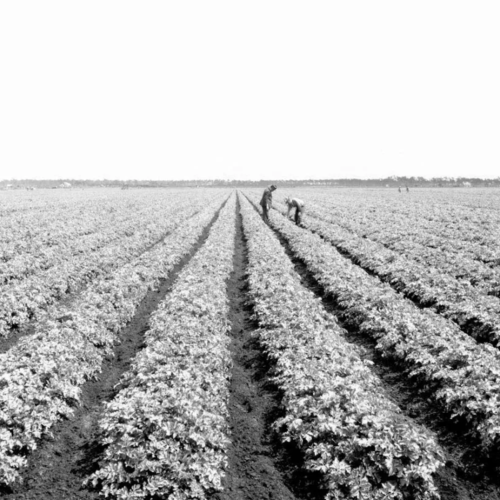

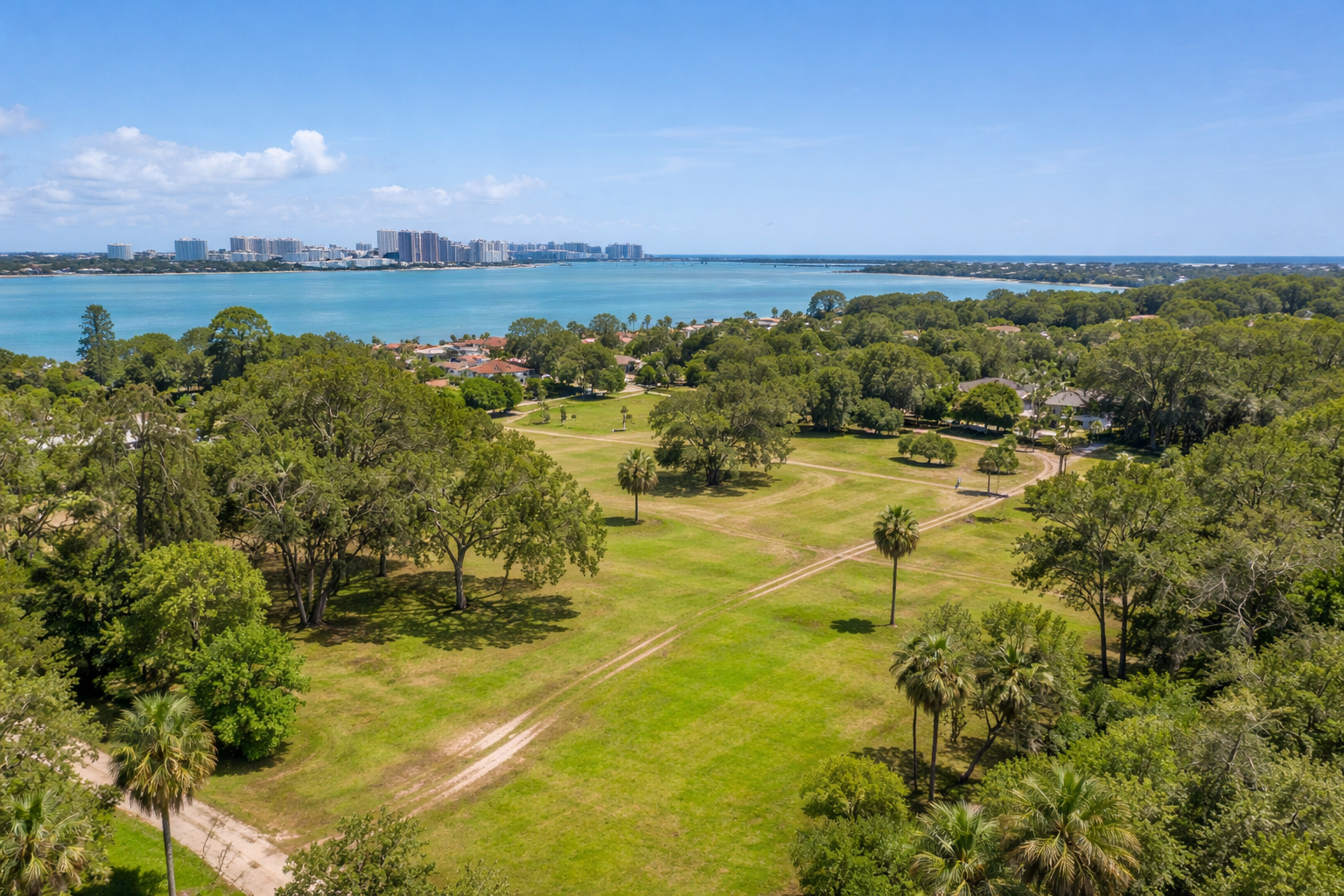
Buying land in Sarasota and along Florida’s Gulf Coast can sound like the ultimate opportunity. No tenants, no renovations, flexible future use, and the promise of long-term appreciation. Especially for out-of-state buyers and investors, land is often seen as a simpler alternative to purchasing an existing home.
In reality, land is one of the most misunderstood and risk-prone real estate purchases particularly in coastal and waterfront markets like Sarasota, where zoning, flood regulations, and environmental protections are especially nuanced. Many buyers make expensive assumptions, overlook critical details, and only discover the issues when it’s too late to reverse course.
Below, we break down the most common mistakes, risks, and contrarian insights around buying land in Florida and what smart buyers do differently.
Mistake #1: Assuming All Land in Sarasota Is Buildable
One of the biggest misconceptions is believing that if land is for sale, it must be buildable. Buyers often assume zoning approval, permits, and construction feasibility are straightforward.
The reality:
Not all land can be built on ever. In Sarasota County, buyers must consider:
•Zoning and future land-use restrictions
•Environmental protections and conservation overlays
•Wetlands and protected habitats
•Coastal construction control lines
•Floodplain regulations
Contrarian insight:
Land that appears perfect on paper or even in person can be legally unusable. Some parcels are priced attractively because they are restricted, not because they are a bargain.
Mistake #2: Overlooking Utilities, Access & Easements in Sarasota
Many buyers assume utilities can simply be “added later” or that access issues can be resolved after purchase.
What often gets missed:
•No public water or sewer access
•Costly power hookups or transformer requirements
•Septic system limitations
•Drainage and stormwater regulations
•Lack of legal road access or recorded easements
Why this matters:
Adding utilities or securing access can dramatically increase costs and delay construction for months—or even years. In some cases, the land becomes impractical to develop at all.
Contrarian insight:
Cheap land without infrastructure is rarely cheap in the long run.
Mistake #3: Underestimating Flood Zones & Insurance Impact in Sarasota
Flood risk is one of the most critical and misunderstood factors in Florida land purchases.
Common misconception:
“I’ll worry about flood insurance after I build.”
The reality:
Flood zones influence:
•Whether a home can be built
•Required elevation and foundation costs
•Permit approvals
•Future insurance premiums
•Long-term resale value
Land located in high-risk flood zones may require elevated construction, specialized engineering, or additional approvals—significantly increasing build costs.
Contrarian insight:
Land is often priced low for a reason, and flood risk is frequently the reason.
Mistake #4: Applying One-Size-Fits-All Advice to Sarasota
Buyers often rely on general online advice or assume regulations are similar across Florida.
In reality:
Rules vary significantly by:
•County
•City
•Zoning district
•HOA or overlay districts
For example, Sarasota County regulations differ from Manatee County, and parcels near the bay, barrier islands, or waterfront corridors often face stricter rules than inland lots.
Contrarian insight:
Land is hyper-local. What works in one neighborhood or one county may be impossible in another.
Mistake #5: Treating Sarasota Land as a Short-Term Investment
Social media and online forums often portray land as an easy flip or a fast appreciation play.
The truth:
•Land is typically illiquid
•It produces no rental income
•Appreciation can take years
•Carrying costs (taxes, maintenance, insurance) still apply
Unlike homes, land doesn’t benefit from cosmetic upgrades or quick value-add strategies.
Contrarian insight:
Land rewards patience and planning not speculation.
Mistake #6: Skipping Proper Due Diligence in Sarasota
Some buyers rush to secure land without fully investigating future feasibility.
Key due diligence steps many overlook:
•Verifying buildability before closing
•Reviewing zoning and comprehensive plans
•Confirming utility availability and costs
•Understanding future development nearby
•Clarifying exit strategies
Once the transaction closes, leverage is lost and problems become far more expensive to fix.
Mistake #7: Ignoring Historic, Archaeological & Redevelopment Restrictions
In Sarasota, land value is not determined by size or location alone. Properties may also be subject to historic preservation rules or archaeological protections, especially in older neighborhoods or redevelopment zones.
What buyers often overlook:
•Properties designated as historic or contributing structures
•Local, state, or federal preservation requirements
•Restrictions on demolition (“teardowns”)
•Mandatory architectural reviews for redevelopment
•Archaeological assessments required before construction
If a property includes a historic structure or is located within a protected district, redevelopment plans may be limited or significantly delayed.
Contrarian insight:
A teardown is not always a blank slate. In Sarasota, history can dictate what must remain.
Mistake #8: Underestimating the Impact of Protected Trees
Florida buyers are often surprised to learn that trees, particularly grand live oak trees can dramatically affect what can be built on a property.
In Sarasota County, many mature trees are protected, and removal may require:
•Special permits
•Arborist reports
•Replacement requirements
•Significant mitigation fees
Live oaks, heritage trees, and other protected species can limit building footprints, driveway placement, and overall site design.
Contrarian insight:
A beautiful tree can add character and value but it can also restrict development more than buyers expect.
What Smart Land Buyers Do Instead
Experienced buyers approach land purchases differently. They:
•Conduct thorough due diligence before contract
•Work with local real estate professionals
•Verify zoning, flood status, and utilities early
•Understand long-term holding and resale strategies
•Treat land as a strategic, not speculative, investment
Final Thoughts
Buying land in **Sarasota especially in coastal and waterfront neighborhoods**can be an excellent long-term strategy when done correctly. However, land is rarely simple, and assumptions are costly.
Understanding the risks, asking the right questions, and working with professionals who know the local landscape can mean the difference between a smart investment and an expensive lesson.
Thinking about buying land in Sarasota or along Florida’s Gulf Coast?
The Opal Homes team at Keller Williams On The Water helps buyers navigate zoning, flood considerations, and long-term value before costly mistakes are made. Contact us to discuss land opportunities and ensure your purchase is built on solid ground.
Check out this article next